Canva slashes revenue forecast by a third due to rising AI bills
Author:
Alp Erguney
Updated:
August 9, 2026

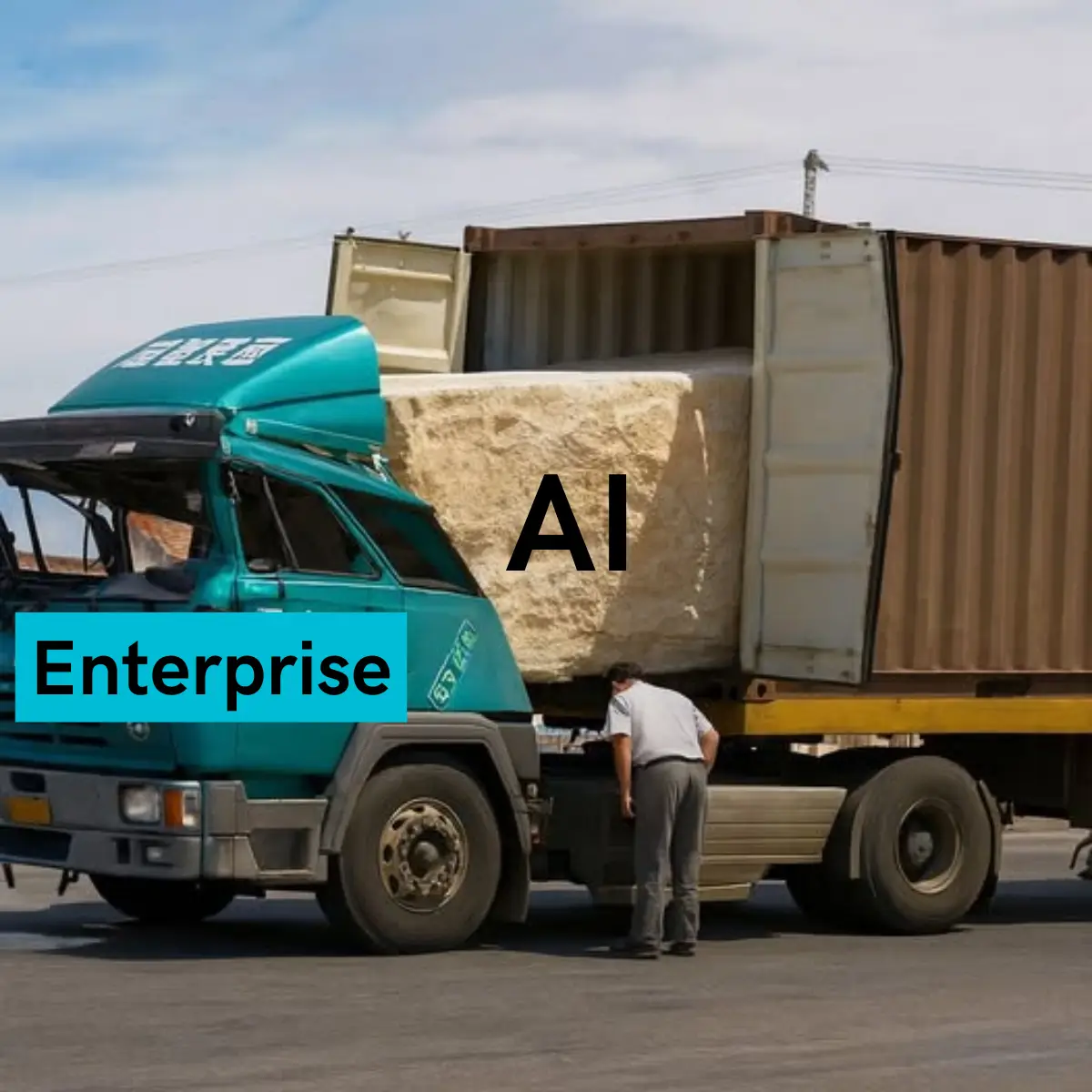
Canva just cut its 2026 growth forecast from 30% to 20%. The reason? Uncontrolled third-party AI costs from providers like OpenAI were rapidly cannibalising their revenue.
CEO Melanie Perkins framed the revenue downgrade as a "deliberate decision to get the economics right."
Canva isn't the only tech giant feeling the pinch. Across Reddit, engineering forums, and investor updates, the "SaaS-pocalypse" topic is trending for good reason: spiralling token costs are eating software margins alive. We recently saw Atlassian cap employee spending on AI for the exact same reason.
𝗪𝗵𝗲𝗻 𝘆𝗼𝘂𝗿 𝗰𝗼𝘀𝘁 𝘁𝗼 𝘀𝗲𝗿𝘃𝗲 𝘀𝗰𝗮𝗹𝗲𝘀 𝗳𝗮𝘀𝘁𝗲𝗿 𝘁𝗵𝗮𝗻 𝘆𝗼𝘂𝗿 𝗿𝗲𝘃𝗲𝗻𝘂𝗲, 𝘀𝗵𝗶𝗽𝗽𝗶𝗻𝗴 𝗔𝗜 𝗳𝗲𝗮𝘁𝘂𝗿𝗲𝘀 𝗶𝘀𝗻'𝘁 𝗶𝗻𝗻𝗼𝘃𝗮𝘁𝗶𝗼𝗻. 𝗜𝘁'𝘀 𝗺𝗮𝗿𝗴𝗶𝗻 𝗲𝗿𝗼𝘀𝗶𝗼𝗻.
Here is how Canva executed an operational pivot to fix their unit economics:
1️⃣ Stopped relying solely on frontier models
Instead of routing every user prompt to expensive external LLMs, Canva invested in in-house infrastructure and leveraged its 2024 acquisition of Leonardo.AI.
2️⃣ Implemented dynamic task routing
They reserved heavy third-party frontier models strictly for complex tasks, while routing standard "freemium" user tasks to lightweight, proprietary models.
The operational results speak for themselves:
- 90% reduction in the cost of serving an AI task
- Image model runs 30x cheaper than frontier alternatives
- Video model runs 17x cheaper
By optimising their delivery pipeline, Canva protected its 9-year profitability streak while sitting on a comfortable US$1.47bn cash reserve.
TLDR; Shipping AI capabilities without a unit economics strategy is an accelerated waste engine. True operational excellence requires owning your delivery pipeline before you scale.
[Case Study / Update Reference: Canva Q2 CY2026 Shareholder Update & Blackbird Sunrise Conference]
How is your organisation managing the rising cost of AI tokens? Are you building sustainable internal capabilities or paying third-party token taxes?