Leveraging Evidence-Based Management for Transforming Organisations
Author:
Alp Erguney
Updated:
March 15, 2026

I explained one of the Evidence-Based Management frameworks in a previous post "What is Evidence-Based Management?".
In this article, I'll talk more about practical applications, and how behaviours, processes, and technology shape succeeding (or struggling) organisations.
Let's start with behaviours as they lay the groundwork for transforming organisations. It's a static change effort if it doesn't inform the behaviours required for digital transformation. Those efforts fall short by overlooking human, technology, or process aspects, and fail to last.
1. Organisational Behaviour and Culture
Why is it important and what role do leaders play?
Behaviours stem from the picture leaders paint. To model the right behaviours, leaders need to lead by example and build a supportive culture.
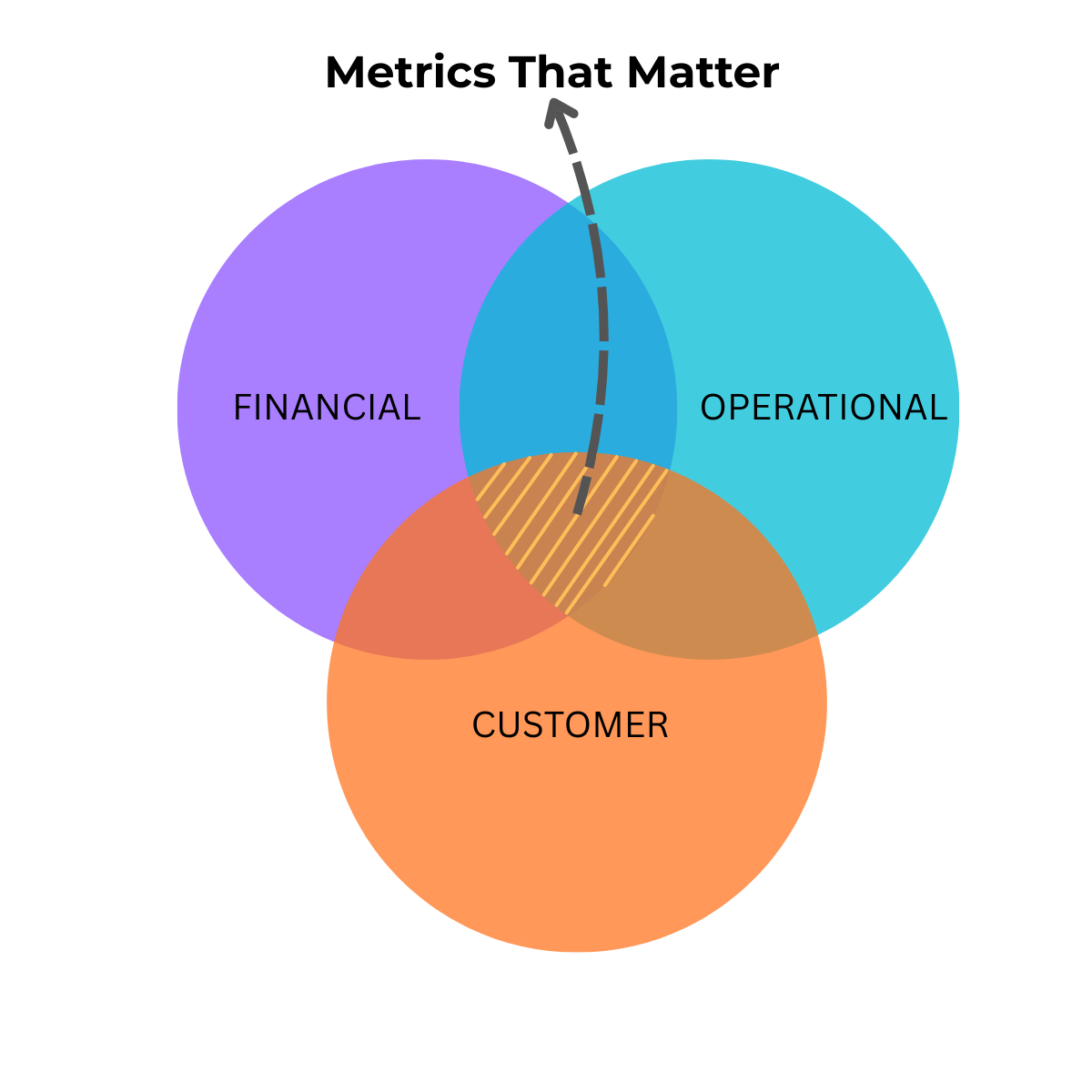
From acquisition to churn, quota attainment to deployment frequency, and revenue growth, organisations are not short of metrics. But when there is no cohesion across departments, these metrics fight against each other in isolation. For example, a call centre agent filling their quota might be increasing customer churn down the road.
Competing incentives remain hidden when teams don't feel safe to call them out, letting chaos take the reins.
Fear invites wrong figures. Bearers of bad news fare badly. To keep his job, anyone may present to his boss only good news. — W. Edwards Deming, The New Economics
Therefore, leadership teams play a crucial role in gathering employees around shared goals, and making metrics work in tandem for the organisation's benefit. Connected metrics show the good, bad, and the ugly. They give accurate insights across financial, operational, and customer. Getting the incentives right relies on building a culture that manifests trust, purpose, and motivation.
In some organisations, a long tenure warrants promotion, but it often leads to leadership deficit. According to a study by Rice University , leadership training can lead to a 20% increase in overall job performance, 8% increase in subordinate outcomes, and a 25% increase in organisational outcomes. Executives should consider investing in coaching and leadership training to drive digital transformation, uplift organisational capabilities, and accelerate innovation.
* Google's Project Oxygen has analysed over 10,000 data points about their leaders, and found that high-performing teams have leaders with these 10 key behaviours.
2. Processes
How to build processes that drive operational excellence?
To build processes that drive operational excellence, first thing to do is to identify what activities are value-add and non-value-add.
Customers don't want to bear the cost of an approval process that is stalled because the general manager is on leave. Or pay for training a new employee because someone left the organisation and created a void of knowledge. These are the areas that present huge optimisation opportunities which increase profit margins, either by reducing costs, or providing faster services that customers are willing to pay more for.
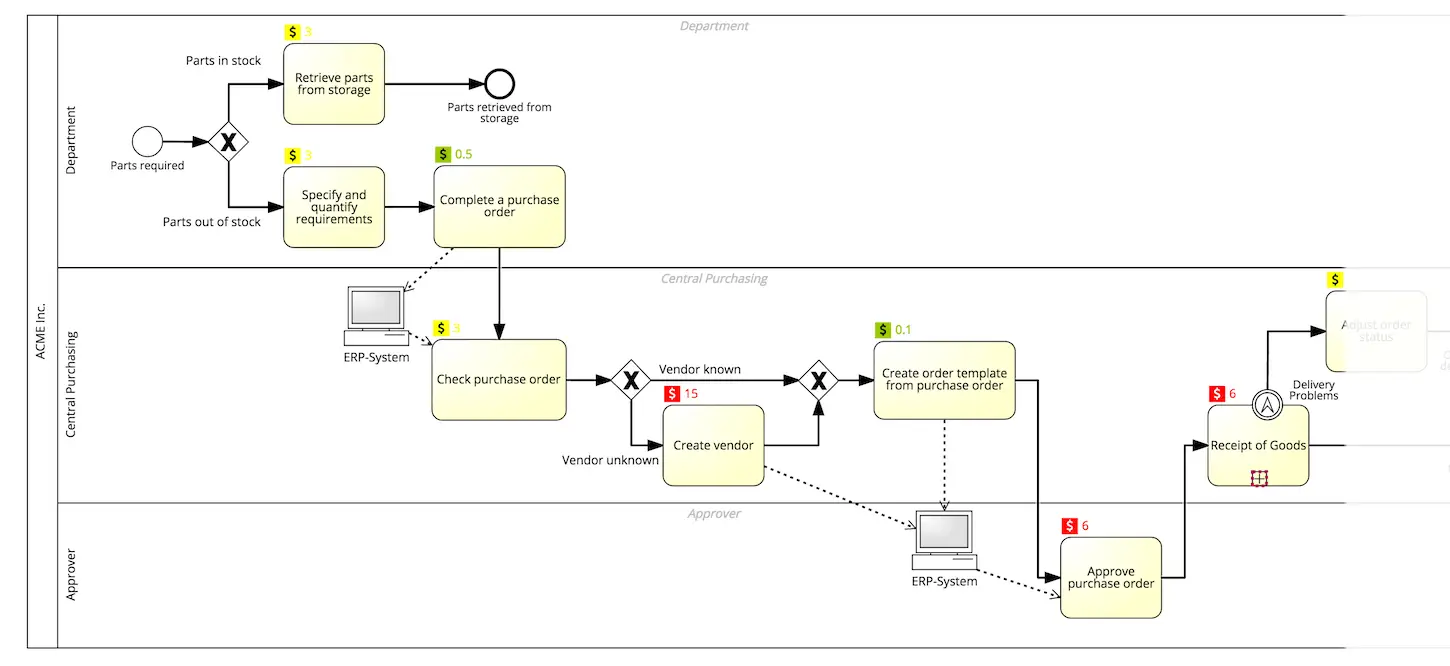
Businesses consist of processes that take an idea or a request through a set of activities until they produce the results that satisfy customers.
Therefore, business intelligence, process modelling, and mining are the bread and butter of operational excellence. Whether it's Microsoft Visio, Lucidchart, or SAP Signavio, visualising the processes that form value streams is key for business intelligence.
For enterprises, SAP is a widely used ERP solution, which makes Signavio and Analytics Cloud great tools for gathering and presenting process data dynamically, providing insights for growth using system logs and transaction records.
* The study conducted by AIJMR (Advanced International Journal of Multidisciplinary Research) has shown that organisations that utilise business intelligence have a 25% higher capacity for identifying risks, 30% better customer satisfaction (CSAT) scores, and up to 22% cost savings.
3. Technology
How to leverage technology (automation, integration, and AI) to optimise for greater outcomes?
Technology is supposed to make life easier, but it's often another hurdle to efficiency and effectiveness. As organisations grow, their toolkit expands, their governance and bureaucracy can't keep up, and lack of integrations multiply manual work and create hidden risks.
To bridge this gap, technology must be viewed as an enabler of the process, not the destination itself. This begins with Integration-First Architecture. Instead of letting data sit in silos where a "completed" task in one system requires a manual email to trigger the next, organisations must invest in integration, automated solutions, and iPaaS (Integration Platform as a Service) to build a single source of truth. When your CRM talks fluently to your ERP, you accelerate value delivery.
Then comes the role of AI and Intelligent Automation. We are moving past simple RPA (Robotic Process Automation) that just mimics keystrokes. Today, Generative AI agents can be layered on top of your mined process data to predict bottlenecks before they happen. For instance, an AI agent can flag a delayed approval in your supply chain and suggest a rerouting strategy based on historical performance.
Ultimately, technology only "scales" what you already have. If your behaviours are fear-based and your processes are broken, technology will only help you make mistakes faster. But when technology is aligned with a high-trust culture and lean processes, it becomes the multiplier that turns marginal gains into market leadership.
* Based on the 2026 MuleSoft Connectivity Benchmark Report, 86% of IT leaders warn that without proper integration, agents add more complexity than value.
A holistic, evidence-based approach prevents getting sub-optimal, short-burst benefits from digital transformation initiatives. Digital transformation is an ongoing and multi-faceted activity, not a one-off system modernisation initiative.